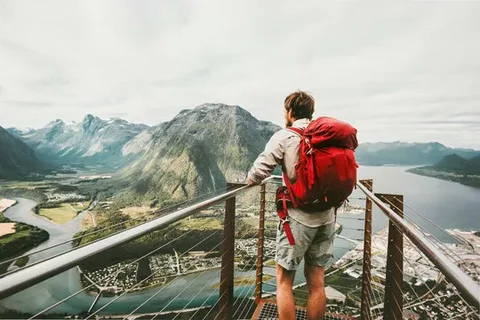
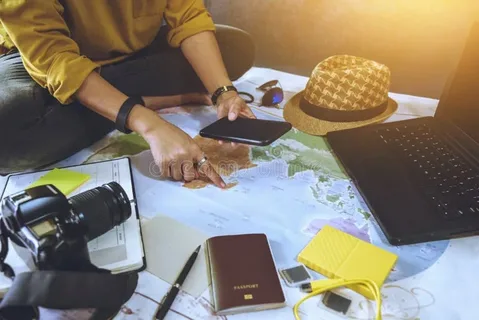
Travelling is one of the greatest experiences in life and, at times, it gives you memories you will take for life, perspectives or things that cannot be learnt at home. From spending outrageous nights resting on a tropical ocean side to going rambling through the wild Mountain trails, or submerging soul profound into land culture, each extraordinary excursion begins route before you get onto a plane. But properly planned you will make the best of your travel experience with little stress that could have been avoided and will manage better your budget to turn your trip into an unforgettable journey!
For some, travel is as simple as booking a flight and a hotel. Well planning also has a key role to play in selecting the place, budget, transport and timing apart from efficient packing. This no-nonsense guide walks you through every step of the way — from planning your trip to relaxing upon arrival, with wiggle room for adventure along the journey.
Why The Proper Planning Every Journey Can Lead To A Better Expertise
Plans, they say, are the greatest journeys. Of course, you can definitely adventure without a plan; Just be aware that this method comes with more kinks than exploring your destination. It can spare you from spending on useless stuff, lessen travel anxiety as to how will you do this or that, and let you accomplish important things which have been long overdue.
Planning also allows you flexibility. After you have the key things like travel, accommodation and other major arrangements set in place, you can take it more leisurely from there: sample local cuisine perhaps or respond to last-minute bargain offers without panic searching through your bag or desperately on Google trying to get everything in order.
Planning has various key advantages:
- More control on how much you spend on your trip
- Food & stay during flight
- Reduced travel-related stress
- Greater confidence throughout your journey
- Spend less time solving problems and more making memories
Start With the Right Destination

Travel is, without a doubt, one of the most enjoyable parts of planning but do not treat it as a light subject. Choose your destinations for the types of experiences you want — no, do not go wherever is trendy on social media. Some want a relaxing holiday to spend the time off, some need adventure, history, food and wine or wildlife & culture.
Climate, travel time, overall budget, language as well as activities. A great location for your interests will always trump a popular spot.
Ask yourself questions like:
- Am I choosing a quiet or actively adventurous holiday?
- What weather do I prefer?
- What is my available or most likely time?
- Does this destination fall within my budget?
- What are the experiences I am wishing to have?
Set a Realistic Travel Budget
One of the biggest causes for stress while travelling is running out of cash during your journey. You can make better planning decisions if you set a realistic budget early.
Think about flights and hotels, but do not forget to take into account all the expensive things you may need to spend for. You can accumulate a few small purchases in several days or weeks.
| Travel Expense | Examples |
| Transportation | Flights, trains, buses, taxis, fuel |
| Accommodation | Hotels, hostels, vacation rentals |
| Food | Restaurants, cafés, groceries |
| Activities | Tours, museums, attractions |
| Shopping | Souvenirs and gifts |
| Insurance | Travel and medical coverage |
| Emergency Fund | Unexpected expenses |
However, a detailed budget does not restrict your trip from happening. Instead, it allows you to sleep at night because now the whole trip is covered by payments.
Do the research on when to visit
Every destination has its own seasons. You have seasonal events, prices, tourist numbers, weather that changes from one season to another.
The best weather generally aligns with peak seasons for tourism, meaning higher costs and more travelers. Traveling in the off-season can be a great deal of fun, and it may also be a great deal cheaper if you’re willing to weather the transitions.
Research the seasonal conditions qualifying for which you can:
- Cut costs on returning flights and contriving hotels
- Avoid overcrowded attractions
- Experience local festivals
- Help you to have the warmer weather in which activities can be planned
Be familiar with the seasons and choose proper dates for travel that can be proved fruitful to your needs.
Book Flights Strategically
Flights are often one of the biggest travel expenses, but there are better deals with some planning. Avoid choosing the first flight that appears, rather read around airlines, timings of flights, check-in fees and layover intervals.
It could prove the flexibility that is different and diefferent. Changes in schedule can change the price with flights that leave at off times of day or week, even those longer than necessary or departing a day or two earlier//later.
When booking flights, compare:
- Total travel time
- Baggage allowances
- Airport locations
- Refund and cancellation policies
- Value for Money instead of just price per ticket
Often paying a bit more for good timings and less transfers makes the travel much easier.
Select accommodations that will fit your travel style
Your accommodation could make or break your trip. Do not choose the costliest or cheapest hotel. Pick one which is best for your traveling needs.
If you are staying at a hotel in the midst of the city, for example, you may need to pay a little extra but save hours on your daily commutes. Likewise, if you are going for a long period of time, a holiday house with a kitchen will also help save food costs.
| Accommodation Type | Best For |
| Hotels | Convenience and amenities |
| Boutique Hotels | Local character and personalized service |
| Vacation Rentals | Families and extended stays |
| Hostels | Budget-conscious travelers and solo adventures |
| Resorts | Relaxation-focused vacations |
Before booking, carefully read reviews and consider location, cleanliness, transportation access, and cancellation policies.
Take the time for a flexible itinerary over scheduling each minute
A common mistake a frequent traveler makes is overloading their schedules. Living each day to its maximum is nice but too much action can get you tire and leave you with the feeling of not having fun.
A good tour plan is both organized and flexible. Emphasize the highlights and main things that you care about, open yourself for a bit of meandering to discover some local tips or just sit at a café savoring the experience.
A balanced itinerary should include:
- Must-see attractions
- Leisure time
- Local dining experiences
- Transportation between activities
- Backup plans for bad weather
Some of the best moments on the road come from things that happen by accident rather than what you had planned.
Understand Transportation Before You Arrive
Knowing in advance how you will commute around the place you are headed saves time and money. Each city has its unique transportation options, and if you understand your choices before arrival, you will avoid getting lost.
Some areas have excellent options for public transit; some are more accessible by rental car, bike, or even on foot.
Research transportation options such as:
- Metro or subway systems
- Public buses
- Ride-sharing services
- Taxi availability
- Car rentals
- Walking routes
This is especially important coming off the back of a long journey knowing exactly how to get yourself to your accommodation from the airport.
Don’t Forget Travel Insurance
Travel insurance is an important thing that most of the travelers do not think about until it is too late. Flight cancellations, lost luggage, medical emergencies and unexpected delays at the airport is not something anyone hopes for, but can occur at any place.
Travel insurance is a good thing and it protects your finances against multiple unforeseen events, which gives peace of mind for the whole journey.
Depending on the policy, cover may consist of:
- Medical emergencies
- Trip cancellations
- Lost or delayed baggage
- Flight interruptions
- Emergency assistance
Insurance is one of those great purchases that can help tremendously on an international trip, and whether its major coverage or just a few days of emergency healthcare insurance while you shop around for better long-term solutions.
Pack Smarter, Not Heavier
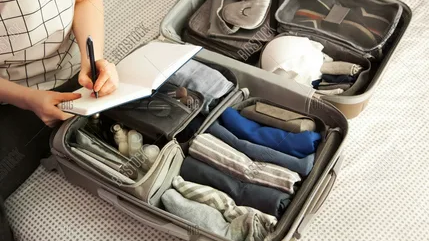
Packing is one of the last things to do before travel, but packing has a huge impact on your overall travel experience. Over-packing result in horrible experiences with transfers at the airport, train and hotels, while under-packing causes you to arrive in a different country and have no basic life essentials available. The idea is to pack smart & travel comfortable and how many times you have returned from travels with a packed suitcase along with few things never used?
For starters, look at the forecast for your destination and pack clothes that you can mix and match. Wear lighter materials, comfortable footwear and fit it according to the things you plan to experience. One more advice is to roll garments instead than fold them. Packing cubes will help you to keep your clothes organized and when packing into the suitcase, feeling fresh during the journey.
An ideal packing list contains:
- Dress code suitable for the climate
- Walking Shoes and one pair of fancy shoes (if applicable)
- Essential toiletries in travel-size containers
- Chargers, adapters, and power banks
- Prescriptions and a basic first-aid kit
- An eco-friendly water bottle and travel-related documents
- Sunglasses, sunscreen, and weather-appropriate accessories
Thus be a savvy packer and travel comfortably without excess baggage costs or dragging heavy bags with you all the way!
Keep Your Travel Documents Organized
Here are your essentials that you will want to have with you as a minimum; Passport, ID’s, tickets, reservations and confirmations. Yet these documents might just turn an important fun vacation into a true nightmare.
A backup is required and also you need to keep the documents secured but before that, there is a number of important documents which includes both digital patch or printed patch–best solution a shoebox. Store digital copies safely on your phone, in the cloud or print them away from the original. Backup copies — you can also be lost in case if your wallet or luggage.
Essential travel documents may include:
- Passport or national ID
- Flight confirmations
- Hotel reservations
- Travel insurance information
- Visa documentation, if required
- Emergency contact information
Which keeps you so organized traveling with a travel wallet or some kind of document organizer, and is really helpful for airport check in & border crossings.
Understand Visa and Entry Requirements
The insert labelled 2up you wish to travel for determines entry specifications which differ from country to country. There are destinations that you can visit without a visa, and others where you’ll need to apply for electronic travel authorisation, or submit / well in advance an ordinary first-going visa.
Apply well in advance as entry requirements are subject to change, and processing times can vary drastically depending on your location. That could upend your trip at the last minute or even lead you to scrap it entirely.
Before booking your trip, confirm:
- Passport validity requirements
- Visa requirements
- Entry forms
- Vaccination requirements, if applicable
- Customs regulations
It lets things work properly and then actually get you in there without a fuss.
Manage Your Money Wisely While Traveling
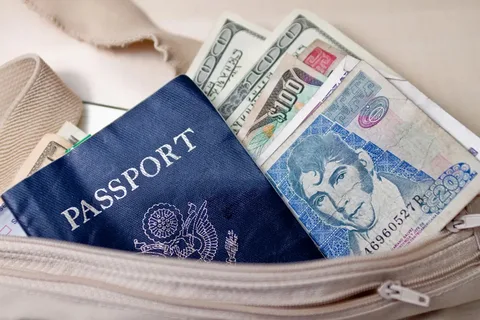
Just like you plan your itinerary, it’s equally important to prepare yourself financially. Having this awareness of how you’ll acquire cash throughout the journey will prevent you from paying unnecessary fees and blood pressure spikes.
Don’t depend on cash or one mode of payment only — carry a mix. This empowers that bank to put unexpected blocks on your cards when you go abroad, so make sure you inform them if travelling internationally — plus get one(natural) currency in before just arriving.
| Payment Method | Advantages | Things to Consider |
| Credit Card | Convenient and secure | Foreign transaction fees may apply |
| Debit Card | Easy cash withdrawals | ATM fees vary |
| Cash | Useful for small businesses | Keep only what you need daily |
| Digital Wallet | Quick and contactless | Not accepted everywhere |
Having multiple payment methods provides flexibility if one becomes unavailable during your trip.
Stay Connected Without Overspending
Having a reliable Internet connection makes traveling a whole lot easier. Staying connected makes life easier and safer — from checking maps and booking transportation to translating languages and talking with family.
Relying on costly international roaming plans is not a smart choice, check more affordable alternatives like local SIM done through an eSIM (if your devices support them). Public Wi-Fi is found in many hotels, cafés, airports and public spaces but may lead to increased risk, so should be avoided as much as possible too!
Meaningful work around staying connected is:
- Local SIM cards
- International eSIM plans
- Portable Wi-Fi devices
- Hotel and café Wi-Fi
- Offline navigation apps
Similarly, downloading key information before leaving your place can minimize your reliance on having internet access all day.
Use Technology to Simplify Your Journey
Smartphones and travel apps have made modern travel a whole heck of a lot easier. Travelers no longer have to lug around piles of printed maps and tourist books, everything you need from navigation to translation to budgeting and booking all comes in one device.
There is plenty of technology that can help you stay organized at every stage. But an even better idea is to keep backups of any important information you need in case your phone dies or you do not have Wi-Fi access.
Travel Apps Travel appsUseful travel apps can help with:
- Navigation and maps
- Language translation
- Currency conversion
- Flight tracking
- Hotel reservations
- Public transportation
- Expense management
Using technology wisely allows you to spend less time solving logistical problems and more time enjoying your destination.
Prioritize Safety Wherever You Go
To have a relaxed travel experience, one of the keys is feeling ready. Although the majority of journeys are risk-free, these basic safety behaviors will certainly provide you an extra level of peace of mind.
Learn about the local etiquette, emergency numbers, transport modes and places you want to visit before arriving. So here are some easy habits that can save you from ruining your vacation with the most common problems: be alert, always keep both hands on your valuables.
Good travel safety habits include:
- Keep valuables out of sight
- Do not carry wads of cash
- Send your itinerary to someone you trust.
- Use official transportation services
- Store emergency contacts on your cellphone
Caution is not fear. It only means being smarter but also confidently relishing your excursion.
Respect Local Culture and Customs
When you discover the subjectivity of cultures, you probably get the finest reward when travelling. Every destination has its own customs, etiquette and social norms it needs to respect!
A few words in the local language, some awareness of cultural norms and dressing appropriately when we visit worship spaces or sites of historical significance are not too hard; all signs of respect for the places we travel.
There are simple ways to respect the culture as given below.
- Learn common greetings
- Follow local dress expectations
- Ask permission before photographing people
- Respect religious sites
- Support local businesses
Culturally, it also helps since most of the travelling that we do is more expressive and makes interactions with residents more enriching.
Practice Sustainable Travel
Tourism boom like never before~ It was going to come either way so we need responsible travel now more than ever. Sustainable travel does not mean giving up comfort or amazing experiences rather it is all about lessen harm to the environment as much as you can and uplifting local communities.
All you need to do is add up all the small things you do along the way and it amounts to positive results. It also often provides a more authentic travel experience.
Simple sustainable travel habits include:
- Carry a reusable water bottle
- Reduce single-use plastics
- Support locally owned businesses
- Respect wildlife and natural environments
- Choose eco-conscious accommodations when possible
Responsible travel gives us the means to safeguard these places for future generations and support the communities that welcome visitors.
Leave Room for Unexpected Experiences
A lot of tourists become so obsessed with the mental checklist of sights that they forget to just take in those moments, which are usually then only unique moments you will later remember. The best part of an entire holiday may be having a chat with a local, stopping at an unplanned street show or even taking the advice of complete strangers.
But have a provision in your calendar for something that not even the best travel guide will prepare you for! Of course, you could rush past every attraction in under an hour but instead take a bit of time to just enjoy the atmosphere.
Unexpected experiences often include:
- Discovering hidden cafés
- Exploring local markets
- Meeting fellow travelers
- Attending community events
- Finding the best viewpoints, away from tourists
Because leaving a little space for spontaneity gives you that real, personal travel memories most of the time.
Common Travel Planning Mistakes to Avoid
Even experienced travelers occasionally make mistakes, but many common problems can be avoided with careful preparation. Recognizing these pitfalls before your trip helps you plan more confidently and reduces unnecessary stress along the way.
| Common Mistake | Better Approach |
| Overpacking | Pack versatile clothing only |
| Ignoring travel insurance | Purchase appropriate coverage |
| Scheduling every hour | Leave free time for exploration |
| Not researching transportation | Learn local transit before arrival |
| Carrying only cash | Use multiple payment methods |
| Forgetting document backups | Keep digital and printed copies |
| Ignoring weather forecasts | Pack according to seasonal conditions |
Travel planning isn’t about eliminating surprises. It’s about reducing avoidable problems so you can enjoy the surprises that make travel exciting.
A home for memories, not just a camera roll
Travel photographs are one of the most prized souvenirs from any trip, but some of your best travel memories can not be stored on your camera roll. A meal with locals, the kindness of a stranger, becoming lost in a lovely neighbourhood or kneeling to watch the sun rise in a foreign place — these are experiences which linger long after your vacation ends.
Most seasoned travelers maintain a travel journal where they jot down the happenings of the day, cafes at which they enjoyed meals, snippets of interesting conversation and unexpected finds. Even if you only write a couple of sentences each evening it helps to save little details that perhaps the photographs alone would not. An option to develop a collection of memories would be to collect postcards, tickets, map and small keepsakes as you build your memories over time.
Some amazing options on preserving your travel memories include:
- Keep a daily travel journal.
- We take pictures instead of shooting photographs that tell a story.
- Collect tickets, postcards or little things.
- Log favourite restaurants and hidden treasures.
- What insights did you gain from each of them?
- But it is not only about capturing where you went, but how every place made you feel.
Balance Planning With Flexibility
One of the keys to successful travel is in knowing how to balance planning with spontaneity. With planning, you have a framework for your trip; with flexibility, you leave space to chase opportunities that will frequently become the highlights of your travels.
Or perhaps you had even planned on spending an afternoon going from museum to local market but then a festive street performance draws you in and before you know it, it’s the most colourful experience of your vacation. When you allow yourself to change your schedule from time to time, that is when you get to know the destinations in a more natural way.
A balanced travel mindset includes:
- Prioritizing must-see attractions without rushing.
- Allowing free time every day.
- Being open to local recommendations.
- That everything may not go according to plan.
- The journey, not chasing the perfect itinerary
Travel is not what it is supposed to be and that is why travel is so rewarding.
Soak Up Each Place You Go To
Travel is more than just going to one place or another. Each place you visit is full of a new culture, tradition, food to try and new history. Even small journeys can broaden your view and help see the similarities that bind people on the globe, even more so their dissimilarities.
Instead of trying to tick off checklists and see as many attractions as possible — go out there and talk to the locals. Explore local cafés, check out markets, talk to locals and eat traditional food. These experiences tend to be far more informative on a place than the goddamn statue in a park.
Meaningful travel experiences often involve:
- Learning about local history.
- Trying authentic cuisine.
- Supporting family-owned businesses.
- Participating in cultural traditions.
- Respecting local customs and communities.
Curiosity through travel makes every circumstance an opportunity to grow.
Your Ultimate Pre-Departure Checklist
As your departure date approaches, reviewing a final checklist helps ensure that nothing important is forgotten. Even experienced travelers benefit from confirming the essential details before leaving home.
| Task | Complete? |
| Passport and identification packed | ✓ |
| Flights confirmed | ✓ |
| Hotel reservations saved | ✓ |
| Travel insurance purchased | ✓ |
| Visa requirements checked | ✓ |
| Currency or payment methods prepared | ✓ |
| Packing completed | ✓ |
| Chargers and adapters packed | ✓ |
| Emergency contacts saved | ✓ |
| Weather forecast reviewed | ✓ |
Taking just a few minutes to review this checklist can prevent unnecessary stress and help your journey begin smoothly.
Why Every Great Trip Starts Before You Leave Home
Luck has not much to do with the greatest holidays. They are informed with detailed planning, realistic expectations and some adventurousness. With adequate planning, you can dedicate less time to figure out logistical issues and more towards experiencing the people and places that are what make travel worthwhile.
No matter if this is your first time booking international travel, or your 10th weekend trip away — the principles adhere. Choose a place with activities that suit your interest, be kind to your budget, plan effectively,be smart with your luggage and save some time for unplanned places along the way.
Travel planning is to NOT to suck the fun part out of the adventure. It’s all about ensuring that you can experience the freedom of seeing every destination with full confidence and peace of mind.
Frequently Asked Questions
1. How far in advance should I start planning a trip?
For domestic travel, planning one to three months is often sufficient. For international vacations or trips during peak travel seasons, starting three to six months in advance gives you more options for flights, accommodations, and activities.
2. What is the most important part of planning a vacation?
Setting a realistic budget is one of the most important first steps because it influences your destination, transportation, accommodation, and daily spending throughout the trip.
3. How can I avoid overpacking?
Create a packing list before you begin, choose versatile clothing that can be mixed and matched, and pack only what you know you’ll use. Rolling clothes and using packing cubes can also save space.
4. Is travel insurance really necessary?
While it depends on your destination and travel plans, travel insurance can provide valuable protection against medical emergencies, trip cancellations, lost luggage, and unexpected delays, making it a worthwhile investment for many travelers.
5. How do I create a travel itinerary without making it too busy?
Prioritize a few must-see attractions each day and leave free time for relaxation or spontaneous exploration. A balanced itinerary often leads to a more enjoyable and memorable travel experience.
To Wrap Up:
The planning of a perfect trip is so much more than just booking flights and a hotel. Its about developing a plan that is in tune with your budget, interests and tour style but still gives breathing space for unplanned events which makes every travel an interesting tale. Choosing strategically (the right destination), packing wisely, respecting cultures and ensuring sustainable tourism can make the function of an internal system easier and more fulfilling. If you plan carefully and leave yourself open, you will be able to avoid the stress of travelling, get more out of your trip, and enable a wealth of memories that remain long after going back home. The best adventures start well in advance of your departure and a solid plan can be the backbone for global adventures that have every traveller waltzing home with stories to tell!
Start planning your next adventure today.
All these great adventures begins by making a right decision on any of the new place. From dreaming of how nice it would be to lay on that beach with palm trees blowing in the wind and fresh smelling air, walking through very old cities or up breath taking mountain trails and exploring poorly touristed cities, some good ole fashioned planning helps. Use the suggestions in this guide to plan best your next adventure, travel smarter and focus on making memories that will last a lifetime! There are a million places in the world that remain unexplored, and great adventures lie in your plans today at FSI Blogs.