
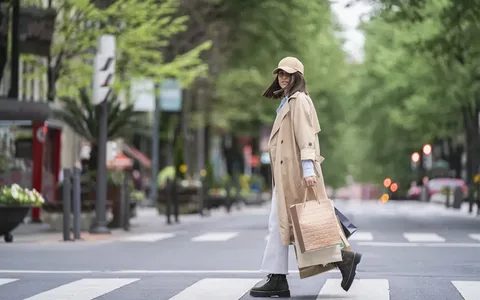
Entertainment has always been a way to express culture, creativity, and personal identity. But in recent years it has become a mirror of our values too. Sustainable fashion has moved from a niche movement with limited appeal to an important contributor to changes in the global fashion industry as consumers become more aware of the environmental and social impacts of clothing production. It’s 2026 and style is no longer a function of what’s hot on the runway. Instead, many more people are wondering about where their clothing comes from, how it’s made and if it will last long.
Your wardrobe does not have to be boring just because you are trying to live a more eco-friendly lifestyle (and that doesn’t mean you need to throw out your entire wardrobe at once either). Thoughtful decisions that balance design, quality and responsibility is what defines sustainable fashion. From selecting garments created from organic textiles, purchasing ethical brands, shopping second-hand or investing in timeless pieces — every little decision makes the world a bit more sustainable. We have compiled this guide to discover top sustainable Fashion trends of 2026, along with practical tips on how you can create a fashion practice that is fashionable and versatile while being easier on the Earth.
Why Sustainable Fashion Matters More Than Ever
The fashion industry has emerged as one of the largest most influential industries across the globe, but also with an enormous ecological footprint. This is growing worry regarding pollution, water usage and CO2 emissions from rapid production rates, enormous fabric waste, and the ubiquity of synthetic fabrics. At the same time, shoppers’ greater consciousness of labour conditions and transparency in their supply chains has given rise to a buy-for-ethics trend.
Sustainability is no longer a fad by 2026 As well, in 2019 and that has become a very important consideration for shoppers wanting to match their dollar with their values. Some brands are waking up to the challenge with sustainable collections, stricter transparency controls and developing new materials that present less environment damage while also not compromising on delivering quality or style.
There are many reasons sustainable fashion keeps on growing, among others:
- Greater awareness of environmental issues.
- Increased demand for ethical manufacturing.
- Better access to sustainable clothing options.
- Improved fabric innovation and recycling technologies.
- Consumer preference for quality over quantity.
As awareness grows, sustainability is becoming an essential part of modern fashion rather than a niche alternative.
Understanding the Slow Fashion Movement
If there is one of the largest shifts affecting fashion in 2026, it must be none other than slow fashion which is multiplying like rabbits! Whereas fast fashion encourages regular investment in low-quality garments often only bought to last a season (if that), Slow fashion focuses on externalities: long-lasting clothing of superior quality.
It is quite simple, basically — buy less, choose wisely, wear it longer. Rather than continuously replenishing every piece of clothing, consumers now base their wardrobes on timeless designs that won’t lose any significance from season to season. This not only minimizes waste, but it also instills an a more considerate relationship with one’s clothing.
The key principles of slow fashion are:
- Purchasing fewer but higher-quality garments.
- Supporting ethical production practices.
- Choosing timeless styles over short-lived trends.
- Caring for clothing to extend its lifespan.
- Shopping with purpose instead of impulse.
Adopting these habits helps reduce environmental impact while creating a wardrobe that feels more cohesive and versatile.
Circular Fashion Is Redefining the Clothing Industry
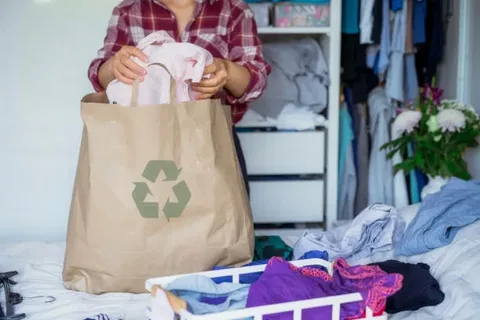
Historically, the fashion industry model has been linear; produce, buy, wear and dispose. If a linear method sounds familiar, you are correct; circular fashion challenges that notion with designs created to last as long as possible via repair, resale, recycling and reuse.
Rather than treating garments as disposable, circular fashion promotes the idea of prolonging a clothing item. Instead of sending garments to landfills, many companies are now offering programs that take back clothes, repair services and resale platforms.
These are some of the circular practices that you can follow:
- Clothing repair services.
- Secondhand resale platforms.
- Garment recycling programs.
- Clothing rental subscriptions.
- Upcycling old garments into new designs.
Circular fashion demonstrates that sustainability isn’t just about producing better clothing. It’s also about using existing clothing more responsibly.
Eco-Friendly Fabrics Leading Fashion in 2026
One of the most important factors determining the environmental impact of a piece of clothing is how and from what materials it was made. The sustainable fabric is a rapidly growing innovation in which consumers are now getting textiles which need less natural resources and offer good comfort, durability and performance.
Natural fibers like organic cotton and hemp are still becoming quite trendy, while unique materials made from wood pulp, agricultural waste, and recycled textiles are reshaping modern fashion.
| Sustainable Fabric | Benefits |
| Organic Cotton | Uses fewer pesticides and less harmful chemicals |
| Hemp | Durable, breathable, and requires minimal water |
| Linen | Lightweight, biodegradable, and naturally strong |
| TENCEL™ Lyocell | Soft, moisture-wicking, and responsibly produced |
| Recycled Polyester | Reduces plastic waste by reusing existing materials |
| Organic Wool | Renewable and naturally insulating |
Choosing garments made from these materials supports brands investing in more environmentally responsible production methods.
The Rise of Sustainable Fabric Innovation
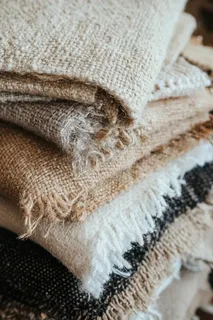
Some of the pioneering innovations are: biodegradable textiles, plant-based fiber and recycled fabrics which provide consumers with antonyms quality while at the same time are gentler to this world. This aids brands to create fashion while being much less damaging to the planet.
Emerging fabric innovations include:
- Biodegradable textiles.
- Recycled ocean plastic fibers.
- Mushroom-based leather alternatives.
- Plant-derived performance fabrics.
- Regenerated cellulose fibers.
As these technologies become more widely available, sustainable fashion will continue to become more accessible to consumers around the world.
Vegan Leather Continues to Evolve
In terms of aesthetics and durability, leather alternatives have come a long way. In fact, earlier versions rarely achieved the same high quality as traditional leather used to produce shoes and accessories, however innovative solutions like these are making textile surfaces appear in use today that offer smart practical options still using renewable or recycled materials.
Contemporary vegan leather can be made from cactus fibers, apple waste, pineapple leaves, mushroom mycelium and plastic waste. The alternatives are also less dependent on animal products while not impeding research into sustainable material science.
Advantages of Modern Vegan Leather:
- Reduced dependence on animal-derived materials.
- Innovative use of agricultural waste.
- Expanding range of textures and finishes.
- Growing availability across fashion categories.
- Continued improvements in durability.
Consumers now have more stylish and sustainable alternatives than ever before, making vegan leather a significant trend in 2026.
Why Capsule Wardrobes Support Sustainable Living
A capsule wardrobe is a streamlined selection of key items that work well together to form various outfits. Capsule wardrobes tend not so much to be ten high quality basics that play together at little effort, but 500 clothing pieces each worn once and then never again.
This is essentially best case scenario philosophy for the sustainable fashion needle because it stops you from purchasing anything gratuitous and RTW just makes our everyday dress that much easier.
What Does a Capsule Wardrobe Consist Of — A basic capsule wardrobe typically is made with:
- Neutral tops.
- Well-fitting denim.
- Tailored trousers.
- A versatile blazer.
- Comfortable everyday shoes.
- Timeless outerwear.
Rather than limiting creativity, capsule wardrobes encourage intentional styling while helping consumers maximize every item they own.
Ethical Fashion Brands Are Setting New Industry Standards
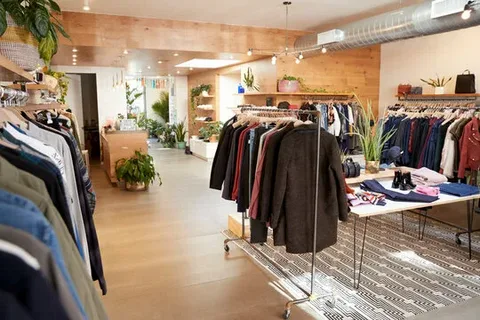
As more consumers seek to support brands that claim environmental responsibility, the pressure is on fashion brands to also show that they are not just about a pretty design. It is this reason, along with others, that allows ethical fashion strive to be a large part of providing fair treatment for workers by creating safe working environments and paying appropriate wages while also allowing them to produce garments based on more responsible manufacturing practices. Coming to 2026, shoppers are looking at not just the looks of clothes but also what values behind a brand when they support one.
Today, companies also regularly publish a sustainability report, have an honest identification of their factories, and explain clearly their sourcing practices in order to win the trust of consumers. Not only is transparency a key competitive advantage now, but consumers can also make informed purchasing decisions as the purchase price (quality) and the ethical considerations become available.
This is what you want to look for when searching for ethical fashion brands:
- Fair labor practices.
- Transparent manufacturing processes.
- Responsible sourcing of materials.
- Long-lasting product quality.
- Commitment to reducing environmental impact.
Supporting ethical brands sends a clear message that responsible business practices matter just as much as beautiful design.
Why Supply Chain Transparency Matters
One of the most potent drivers of sustainable fashion is transparency in pet owners and consumers are increasingly aware that their buying power, which influences brands. Clothing brands were reluctant to share details of all the places their clothes were made, and how workers were treated. With consumers demanding greater transparency these days, many are complying by revealing where their products are made, how and where their factories operate as well what they do to make the environment more favorable.
Transparency allows shoppers to trace a garment from its raw material right to the finished product. It allows more full transparency and accountability on the side of all players involved in the fashion supply chain [leading] consumers to know what seen as truly sustainable brands versus the ones that lack an actual specificity in their marketing statements.
On there may a simple supply chain that is transparent in nature.
- Information about manufacturing locations.
- Details on material sourcing.
- Environmental impact reporting.
- Fair labor certifications.
- Clear sustainability commitments.
The more information a brand provides, the easier it becomes for consumers to make responsible purchasing decisions.
The Growth of Secondhand Fashion and Clothing Resale
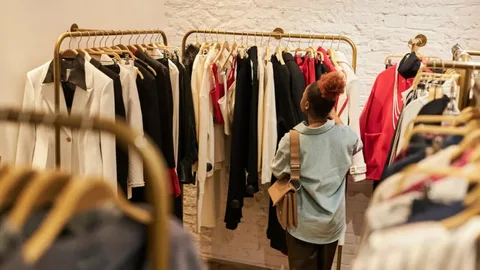
Purchasing secondhand, once seen as a more inexpensive option, has become one of the fastest-growing categories of fashion. Pre-owned garments are being accepted by consumers, with many seeing it as a form of stepping into sustainable fashion (less waste, etc.), searching for unique pieces and extending the lifecycle of clothing that is already in circulation.
Instead of creating more textile waste, secondhand shopping is also about embracing circular fashion and keeping clothes in use for as long a time as possible. Be it local thrift stores or vintage boutiques or reselling platforms online, consumers can find quality clothing at lower prices in its sustainable fashion era.
Advantages of shopping secondhand include:
- Reducing textile waste.
- Extending the life of garments.
- Saving money.
- Discovering one-of-a-kind pieces.
- Supporting circular fashion.
Secondhand fashion demonstrates that sustainability and style can work together beautifully.
Clothing Rental Is Becoming a Smart Fashion Choice
Not everything that you wear needs to be something that is in your emotional closet forever. Clothing that might only be worn once or twice such as for special occasions, weddings and other formal functions, seasonal trends. Clothing rental services are environmentally friendly, as more than one person can wear the same garment during its life span.
It decreases overproduction waste and gives consumers the opportunity to wear designer fashion, but without a long-term commitment to actually own it! In recent years, rental platforms have grown immensely, from hiring a designer evening gown and even workwear.
Renting clothes comes in handy especially for:
- Weddings.
- Black-tie events.
- Vacation wardrobes.
- Maternity clothing.
- Seasonal fashion trends.
By sharing garments instead of purchasing new ones for every occasion, consumers can reduce waste while enjoying greater wardrobe variety.
Conscious Consumerism Starts With Better Shopping Habits
Sustainability is not only about what brands create. Consumers shopping behaviour is not the only thing inight. Conscious consumerism urges people to think before buying and avoid impulse buys — focusing more on quality, necessity, durability, and longevity instead.
Shoppers are learning the hard way that despite higher upfront costs, buying less but better is usually cheaper over time because properly constructed clothing lasts longer, and can be worn from season to season. Mindful shopping is also a way to avoid clutter and cultivate a greater respect for what already hangs in the closet.
Here are some simple habits to help you make sure that your consumerism is conscious:
- Shopping with a list.
- Avoiding impulse purchases.
- Choosing quality over quantity.
- Repairing damaged clothing.
- Donating garments you no longer wear.
Every mindful purchase contributes to a more sustainable fashion ecosystem.
How to Spot Greenwashing Before You Buy
The reality is, sustainability is here and the demand on the market for better quality of products in terms of greener brands means many brands simply jumped on this band wagon mainly as a marketing ploy with little or no changes to their practices. None of this is accidental — rather, it is the dastardly practice known as greenwashing.
This is one of the characteristics of greenwashing, when it speaks about “eco-friendly” or “natural or everything that sounds good but without numbers data”. As consumers learn more about these tactics, they are better equipped to distinguish and select brands that actually prioritize sustainability as well.
Warning signs of greenwashing include:
- Vague environmental claims.
- No information about manufacturing.
- Lack of third-party certifications.
- Limited transparency.
- Heavy marketing with little supporting evidence.
Before purchasing, take a few moments to research a brand’s sustainability initiatives, material sourcing, and public commitments. Responsible companies are usually willing to share this information openly.
Sustainable Shopping Checklist
Perfection is not a requirement of sustainable choices. Instead of trying to replace your wardrobe all at once you should build gradually each time you shop. By asking yourself a couple of key questions before buying, you will reduce the tons of rubbish, while creating a wardrobe that you will be happy to wear for years.
Check off this list before buying a new piece of clothing:
| Question | Why It Matters |
| Will I wear this at least 30 times? | Encourages long-term value. |
| Is the fabric durable and comfortable? | Improves longevity. |
| Does it match existing clothing? | Supports a versatile wardrobe. |
| Was it produced responsibly? | Encourages ethical purchasing. |
| Can it be repaired if damaged? | Extends garment lifespan. |
| Do I truly need it? | Reduces impulse buying. |
Small changes in shopping habits often have a much greater impact than dramatic lifestyle changes.
Sustainable Fashion vs Fast Fashion
The differences between sustainable and fast fashion become even clearer when comparing their long-term goals. While fast fashion prioritizes speed, low costs, and frequent trend cycles, sustainable fashion emphasizes durability, responsible production, and mindful consumption.
| Sustainable Fashion | Fast Fashion |
| High-quality materials | Lower-cost materials |
| Ethical production | Mass production |
| Timeless designs | Rapidly changing trends |
| Longer garment lifespan | Shorter lifespan |
| Reduced environmental impact | Higher environmental footprint |
| Mindful purchasing | Frequent impulse buying |
Understanding these differences helps consumers make purchasing decisions that align with both their personal style and their values.
Caring for Your Clothes Is Part of Sustainability
One of the simplest routes to a guilt-free wardrobe is, perhaps unsurprisingly, keeping what you already own. When done right, washing and drying your laundry keeps things around longer — you have to replace stuff less often.
So, the proverb is: PANTS take care of CLOTHES and CLOTHES TAKE care of you- Maintenance (MAINTENANCE) makes the weave + colour, straightened = your most thumbs walked with you years.
Clothing care tips include:
- Wash garments only when necessary.
- Follow care labels carefully.
- Air dry delicate fabrics when possible.
- Store seasonal clothing properly.
- Repair loose buttons and small tears promptly.
Looking after your wardrobe is one of the most practical and affordable ways to practice sustainable fashion.
Regenerative Fashion: The Next Evolution of Sustainability
While sustainable fashion aims to make negative impact minimisation, regenerative fashion makes it a net positive impact on the environment. A new climate movement that is more than just waste minimisation, or emissions (per unit output It really is not about that: it seeks to restore ecosystems, soil quality and biodiversity as a result of how raw material production systems are constructed while also strengthening agriculture communities residing in them).
A large proportion of natural fibre in fashion comes from farmland and regenerative agriculture is becoming increasingly important. Regenerative brands work with farmers committed to soil regeneration and that practice regenerative grazing, crop diversity, and natural ecosystems. The outcome is a supply chain that repairs the environment instead of taking away from it.
These are also the main principles of regenerative fashion:
- Improving soil health.
- Supporting biodiversity.
- Reducing dependence on synthetic inputs.
- Strengthening local farming communities.
- Creating long-term environmental benefits.
As consumers become more informed about sustainability, regenerative fashion is expected to play a major role in shaping the future of clothing production.
Technology Is Driving Sustainable Fashion Innovation
Almost every element of the fashion industry is being changed by thenew technologies. Whether its textile development or tracking in the supply chain––innovation is helping brands innovate more transparently, efficiently, and sustainably.
Now a lot of companies are digitally keeping track of the production process, curtailing waste and managing inventories. AI is enabling better demand forecasting for brands and helping avoid over production to reduce the volume of unsold products. Simultaneously, innovations in production capabilities are enabling shorter-run, lower-resourced alternatives without sacrificing quality.
Innovations shaping sustainable fashion include:
- AI-powered inventory forecasting.
- Digital product passports.
- Advanced textile recycling.
- Water-saving dyeing technologies.
- On-demand manufacturing.
- Smart supply chain tracking.
These advancements demonstrate that sustainability and innovation can work together to create a more responsible fashion industry.
The Future of Sustainable Fashion Beyond 2026
The fashion industry is already headed to a future where sustainability will be no longer viewed as an adjunct category. Instead, it is likely to be an expected component of clothing design, manufacture and market.
In this scenario consumers want more accountability, governments are also advancing in strict environmental regulations and brands are allocating great investments on research and innovation. The result is that the market forces plus the tech are combining to hasten progress toward smarter fashion systems.
Some trends are likely to outlive 2026:
| Future Trend | Potential Impact |
| Circular Fashion Expansion | Reduced textile waste |
| Regenerative Agriculture | Healthier ecosystems |
| Advanced Fabric Recycling | Lower raw material demand |
| Digital Product Tracking | Greater transparency |
| Clothing Rental Growth | Reduced overconsumption |
| Biodegradable Textiles | Less landfill waste |
The future of fashion is likely to be defined by durability, transparency, innovation, and conscious consumption rather than rapid production cycles.
How to Build an Eco-Friendly Wardrobe Without Starting Over
This question is so common among fashion followers partly because people have a little bit of misconception on what sustainable fashion really is. But the most ethical garment is one you already own. Your sustainable wardrobe won’t be an overnight fix, so Joan says to avoid slack-dash efforts towards perfectionism and simply focus on making better choices when possible.
Start with a closet review. Choose the ones you wear the least and debate why they are worth it. It helps you connect with your own style, stops the impulse buying of items that you likely shouldn’t be purchasing but also saves money. Buy less, Invest in better quality piece(s), choose versatility and slow fashion
So we neatly folded some helpful tips for a more sustainable closet here:
- Wearing existing clothing more often.
- Investing in timeless essentials.
- Choosing quality over quantity.
- Supporting ethical fashion brands.
- Shopping secondhand when possible.
- Learning basic clothing repairs.
- Building a versatile capsule wardrobe.
Small changes made consistently can have a significant impact over time.
A Sustainable Wardrobe Essentials Checklist
Creating a functional eco-friendly wardrobe becomes easier when you focus on versatile pieces that can be styled in multiple ways. Rather than chasing every new trend, prioritize garments that provide flexibility and long-term value.
| Wardrobe Essential | Why It Matters |
| White Organic Cotton Shirt | Versatile and timeless |
| Well-Fitted Denim | Works across multiple occasions |
| Neutral Knitwear | Easy layering piece |
| Tailored Blazer | Professional and versatile |
| Sustainable Sneakers | Practical everyday footwear |
| Classic Outerwear | Long-lasting investment |
| Comfortable Trousers | Suitable for work and casual wear |
| Quality Tote Bag | Functional and reusable |
These foundation pieces create countless outfit combinations while supporting a more intentional approach to fashion.
Sustainable Fashion Is About Progress, Not Perfection
The reason I am getting to so many people avoiding sustainable fashion is he thinks that has to be sort out overnight. We are too hard on ourselves which makes this journey cumbersome. I think it’s important that everyone understands that sustainability is not about perfection at all, it’s the best you can do most of the time.
Another repair for that tragically loved coat, another ethically-made item in your cart instead of a new one, sustainable second hand buying or just not at all — every little change matters. Sustainable tailoring is simply a craze of living standards this still holds true from past year and half.
Keep in mind, there is a lot which can be done via following;
- Buying less.
- Wearing clothes longer.
- Supporting responsible brands.
- Reducing impulse shopping.
- Caring for garments properly.
When viewed this way, sustainable fashion becomes accessible to everyone regardless of budget or lifestyle.
Frequently Asked Questions
1. What are the biggest sustainable fashion trends in 2026?
Some of the most significant sustainable fashion trends in 2026 include circular fashion, regenerative fashion, sustainable fabric innovation, secondhand clothing resale, capsule wardrobes, clothing rental services, and increased supply chain transparency.
2. What is an eco-friendly wardrobe?
An eco-friendly wardrobe consists of clothing chosen with environmental and ethical considerations in mind. It typically focuses on quality, durability, responsible production practices, versatile styling, and reduced consumption.
3. Is sustainable fashion more expensive?
While some sustainable garments have higher upfront costs, they often provide better quality and longevity. Over time, investing in durable clothing can reduce the need for frequent replacements and save money.
4. What fabrics are considered sustainable?
Common sustainable fabrics include organic cotton, hemp, linen, TENCEL™ Lyocell, responsibly sourced wool, and recycled materials such as recycled polyester and regenerated fibers.
5. How can I start building a sustainable wardrobe?
Begin by wearing what you already own, purchasing fewer but higher-quality garments, supporting ethical brands, exploring secondhand shopping, and focusing on versatile pieces that match your lifestyle.
To Wrap Up:
Sustainable Fashion Trends 2026: This reflects as part of a broader paradigm shift towards more conscious consumption, production and market thinking. Because the demand for style with a soul has taken off, the Industry is changing as it adjusts to making more eco friendly fabrics, implementing circular fashion systems, creating ethical brands and by reviving our soil with regeneration practices. And donu0027t worry, you donu0027t have to strive for perfection or become a zero waste eco warrior overnight transforming your closet. It actually begins with fairly deliberate purchases such as sustainable basics, virtuous second-hand shopping, and investing in brands you love, maybe just wearing third hand clothing more regularly. Instead of seeing sustainability as an end point to reach, consumers can understand it more like a journey and put together wardrobes that are stylish, practical and lower impact on people and the world.
Start Building a Wardrobe That Looks Good and Does Good
On the flip side, fashion is also a marker of self-identity, creativity and self-assurance. Sustainable fashion is larger in scope than it has ever been, with so many more decisions to make beyond what a personal style entails. So take it easy, start small, go for quality over quantity in your sustainable practice and support brands that believe in transparency and do the right thing by us all. Because with each intentional purchase you help fund a more sustainable fashion industry focused on our people, planet and innovation. Your sustainable wardrobe starts now, one small step at a time.